

Spring Garden Kickstart for Longmeadow and Surrounding Areas: Essential Lawn & Garden Care from Empire Landscape
Getting your garden ready for spring is essential for a season of lush lawns and vibrant flower beds. Homeowners in Longmeadow and the surrounding areas can follow these steps to remove winter debris, enrich soil, and fend off early-season pests. Empire Landscape LLC brings local expertise, customized service plans, and free estimates to ensure thriving lawns and gardens across Western Massachusetts and nearby communities.
When's the Sweet Spot for Spring Garden Prep in Longmeadow, MA?
Spring garden preparation should begin after the last hard frost, which usually occurs between late March and mid-April. Once soil temperatures reach about 50°F, you can start cleaning up debris, warming the soil, and giving it an early nutrient boost. This timing jump-starts healthy growth, primes garden beds for planting, and helps prevent disease. Homeowners in the surrounding areas should also monitor local frost dates, as they may vary slightly from Longmeadow.
What Are the Ideal Spring Cleanup Dates for Longmeadow Properties?
For properties in Longmeadow and the surrounding areas, the best window for spring cleanup is generally from March 20 to April 15. This timeframe allows you to remove leaves, branches, and other debris without harming emerging shoots, ensuring garden beds are ready for mulching and
planting. Completing cleanup in this window sets the stage for a healthy and productive growing season.
How Does Local Climate Affect Spring Garden Preparation?
Longmeadow and the surrounding areas experience a humid continental climate, which can result in late frosts and unpredictable temperature swings. Clay-rich soils common in the region tend to retain moisture, so it is important to wait until the soil is about 50 percent dry before starting work to prevent compaction. Understanding local frost patterns and soil moisture retention ensures that spring preparation tasks align with the best growing conditions.
Why Is Early Spring Cleanup Crucial for Lawn and Garden Health?
Early spring cleanup removes debris that could harbor disease, improves air circulation around plants, warms the soil, and exposes weed seeds for early control. By eliminating decaying matter and fallen leaves, you reduce competition for nutrients and set a strong foundation for a robust lawn healthy, disease-free garden beds throughout Longmeadow and the surrounding areas.
What Are the Key Steps in Spring Lawn Care Services in Longmeadow?
Spring lawn care begins with fertilization to encourage early growth and strengthen roots. Maintaining weed and crabgrass control ensures that lawns remain thick and resilient. Aerating compacted soil improves water absorption and air exchange, helping grass roots grow deeper. Additionally, monitoring for pests and treating infestations promptly protects new growth and maintains the overall health of the lawn. Following these steps transforms stressed, thin turf into a dense, vibrant carpet of grass ready for summer enjoyment.
How to Perform Lawn Fertilization for Longmeadow Lawns?
Proper fertilization starts with a soil test to determine nutrient deficiencies. Using a slow-release, nitrogen-rich fertilizer suitable for cool-season grasses helps promote consistent growth and strong root development. Fertilizer should be applied evenly with a broadcast spreader, following the recommended application rate. These steps ensure that lawns in Longmeadow and the surrounding areas develop deep, healthy roots and lush green color.
What Are Effective Crabgrass and Weed Control Methods in Spring?
Preventing crabgrass involves applying pre-emergent herbicides when the soil reaches approximately 55°F. Any persistent weeds can be treated with selective post-emergent products. Maintaining a mower height of 3 to 3.5 inches shades the soil, helping to suppress weed seed germination. When combined with proper lawn care practices, these methods reduce invasive weed pressure and encourage a thick, healthy turf across Longmeadow and the surrounding areas.
Why Is Lawn Aeration Important for Local Soils?
Aeration is essential for breaking up compacted clay soils commonly found in Longmeadow and surrounding regions. By pulling out small plugs of soil, aeration allows water to penetrate more effectively, improves air circulation, and encourages roots to grow deeper. Lawns that are aerated in the spring develop stronger grass capable of withstanding drought, foot traffic, and seasonal challenges.
How to Identify and Treat Common Spring Lawn Pests?
Spring lawn pests such as grubs, chinch bugs, and cutworms can cause significant damage if left unchecked. Signs include brown patches, thinning grass, and turf that feels spongy. Early inspection and treatment with approved insecticides prevent major damage, protecting newly emerging grass shoots. Prompt action helps maintain healthy lawns in Longmeadow and the surrounding areas.
How to Prepare Garden Beds for Spring in Longmeadow?
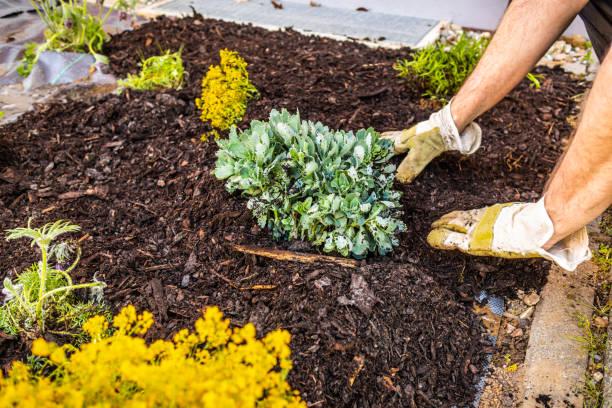
Preparing garden beds for spring includes removing winter debris, reshaping edges, improving soil structure, and adding mulch. Well-prepared beds promote vibrant flowers and vegetables and provide a solid foundation for the entire growing season. These steps help gardens throughout Longmeadow and surrounding areas thrive.
Final Thoughts
Spring garden preparation is the foundation for a thriving, vibrant landscape in Longmeadow and the surrounding areas. By following the right timing, performing thorough cleanup, fertilizing lawns, aerating soil, pruning trees and shrubs, and preparing garden beds with quality soil amendments and mulch, homeowners can ensure a healthy growing season. Choosing professional services from Empire Landscape LLC brings local expertise, customized service plans, and efficient execution, saving time while maximizing results. With proper spring prep, your lawns, flower beds, and vegetable gardens will flourish, creating beautiful, resilient outdoor spaces that enhance both curb appeal and property value.
When should I start spring lawn fertilization in Longmeadow?
Spring fertilization should begin once soil temperatures consistently reach around 50°F, typically in late March. This helps encourage root development and prepares grass blades for active growth.
How do I test soil pH for spring planting?
Use a soil probe to collect samples from multiple spots in your garden beds, mix them together, and either test with a home pH kit or send them to a local extension lab. Adjust pH using lime or sulfur as needed before planting.
How can I prevent crabgrass in my Longmeadow lawn?
Apply a pre-emergent herbicide when soil temperatures reach about 55°F. Maintain thick turf through proper mowing and overseeding, and aerate your lawn to help herbicides penetrate more effectively.
How often should trees and shrubs be pruned in spring?
Most deciduous trees benefit from pruning every 2–3 years to remove dead wood and maintain shape, while flowering shrubs that bloom on new wood can be pruned annually in early spring.
What are signs of spring lawn disease or pest problems?
Native flowers like Columbine, Wild Geranium, Trillium, and Virginia Bluebells thrive locally, attract pollinators, and require less maintenance than non-native varieties.